Tuna In Oil
Tuna in oil is high-quality, pre-cooked tuna, such as Yellowfin or Albacore, that has been packed in oil to enhance its flavor, preserve its moist texture, and extend its shelf-life. This packing method results in richer, more succulent flakes compared to water-packed tuna, making it a versatile ingredient for everything from gourmet salads to hearty pasta dishes.
What are the main types of tuna used?
The type of tuna used in the can significantly impacts the final taste and texture. Understanding the differences helps you choose the perfect option for your recipe.
What’s the difference between Albacore, Yellowfin, and Skipjack tuna?
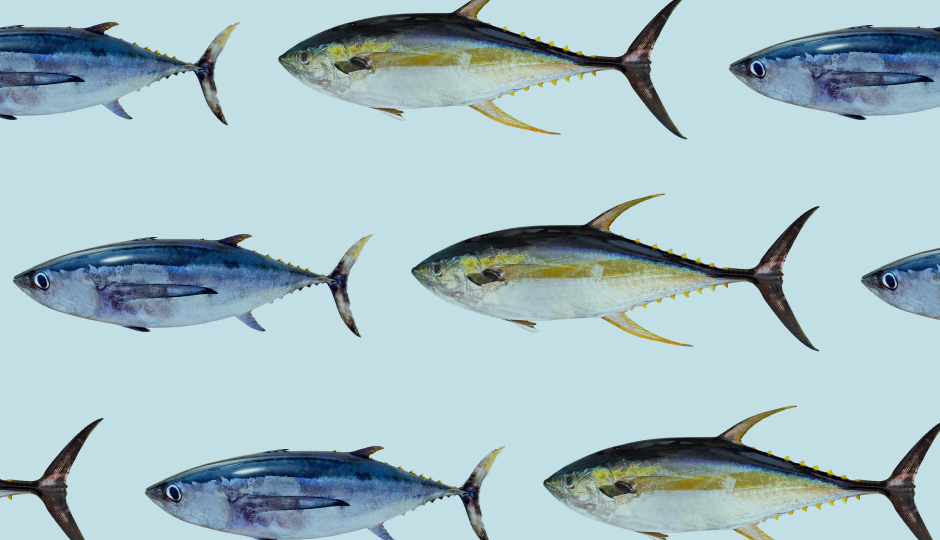
These three types of tuna are the most common, each with a unique profile. Albacore is known for its firm, meaty texture, while Yellowfin and Skipjack are softer and flakier. Here we break out the three main types of tuna used, showing the differences between albacore and chunk light:
| Tuna Type | Often labeled as… | Flavor | Texture |
|---|---|---|---|
| Albacore | “Solid or Chunk White Tuna” | Light, mild flavor (less fishy) | Meaty |
| Yellowfin | “Chunk or Solid Light Tuna” or “Chunk or Solid Yellowfin Tuna” | Bolder flavor | Softer and flakier |
| Skipjack | “Chunk Light Tuna” | Stronger, fishier flavor | Softer and flakier |
What are the nutritional benefits of tuna in oil?
Tuna in oil is a nutritional powerhouse, offering a convenient source of high-quality protein and essential nutrients. It’s an easy way to add key vitamins and healthy fats to your balanced diet.
How much protein is in tuna in oil?
A can of tuna in olive oil is an excellent source of protein, which is essential for supporting your muscles, skin, and bones. A typical can contains approximately 29 grams of protein.
Does tuna in oil contain Omega-3s?
Yes, canned tuna in oil is a great source of EPA and DHA Omega-3 fatty acids. These essential fatty acids are known to support heart, brain, and eye health.
What vitamins are in tuna in oil?
Tuna provides essential vitamins, most notably Vitamin D, which aids in bone health and supports your immune system. One can of tuna in oil typically contains about 2 mcg of Vitamin D.
What is the difference between tuna in oil and tuna in water?
The biggest differences between tuna packed in oil and tuna packed in water are the taste, texture, and nutritional content. Your choice ultimately depends on your personal preference and how you plan to use it.
| Oil-Packed Tuna | Water-Packed Tuna | |
|---|---|---|
| Taste | Tends to have a richer, more flavorful taste due to the added oil. The oil can enhance the natural taste of the tuna and provide a savory mouthfeel. | Has a milder taste compared to tuna in oil. The absence of oil allows the natural flavor of the tuna to be more subtle, with a cleaner taste. |
| Texture | Often has a softer texture due to the oil coating the tuna flakes. This can result in a smoother mouthfeel and a more succulent texture. | Tends to have a firmer texture as it is not coated in oil. The water helps maintain the firmness of the tuna flakes, giving it a crisper bite. |
| Calories | Typically contains more calories compared to tuna in water. The added oil contributes to higher calorie content, with about 200-210 calories for a 4-ounce serving. | Has about 120 calories for a 4-ounce serving. |
| Omega-3 Fatty Acids | Features omega-3 fatty acids such as EPA and DHA. | Also features an excellent source of omega-3 fatty acids such as EPA and DHA. |
| Protein | Is a high-protein food. It provides a good source of lean protein, which is essential for muscle growth and repair. | The protein content remains similar between tuna in oil and water, as it’s primarily dependent on the fish itself rather than the packing medium. |
| Sodium | Salt is sometimes added for flavor and the quantity varies between brands. Low-sodium or no-sodium-added options are available. | As with oil-packed tuna, salt is sometimes added for flavor and the quantity varies between brands. And low- or no-sodium options are available. |
| Vitamins and Minerals | The vitamin and mineral content are largely similar between tuna in oil and water, as they are inherent to the fish itself rather than the packing medium. | The vitamin and mineral content are largely similar between tuna in oil and water, as they are inherent to the fish itself rather than the packing medium. |
Which one should I choose?
While both offer similar core nutritional benefits, here’s a simple guide:
- Choose tuna in oil if: You want a richer, more savory flavor and a softer texture. It’s ideal for dishes like pasta salads or vinaigrettes where the flavorful oil can be incorporated.
- Choose tuna in water if: You are looking to reduce your calorie or fat intake. It provides a lighter, milder flavor and firmer texture, which works well in dishes like traditional tuna salads.
How do you use tuna in oil?
Tuna in oil is fully cooked and ready to eat, making it an incredibly versatile ingredient for quick and easy meals. Its rich flavor works beautifully in salads, pasta, sandwiches, and as a standalone topping.
Do you need to drain the oil from the can?
This is a personal preference and depends on your recipe. If your recipe (like a pasta sauce or salad dressing) already calls for olive oil, you can use the flavorful oil from the can instead of draining it. For a gourmet, ready-to-eat product like Genova Yellowfin Tuna in Extra Virgin Olive Oil, the high-quality oil is part of the experience and adds significant flavor.
What are some easy recipes for tuna in oil?
Here are a few popular ways to use tuna in oil:
- Mediterranean-Style Tuna Pasta: Cook your favorite pasta and toss it with flaked tuna in extra virgin olive oil, chopped tomatoes, sliced olives, minced garlic, and fresh basil. You can finish it with a drizzle of the oil from the can and a sprinkle of Parmesan.
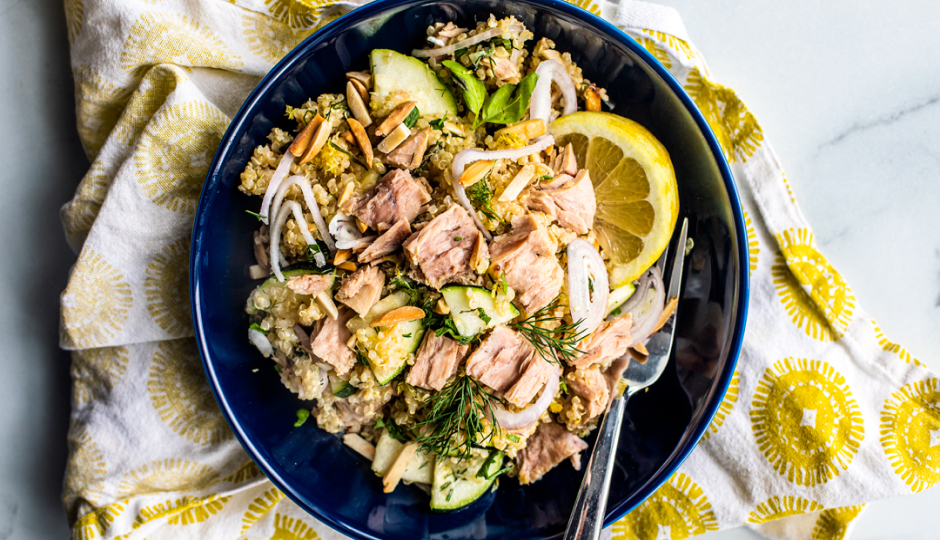
- Gourmet Tuna Salad: For a lighter, mayo-free salad, combine flaked tuna in oil with fresh greens like arugula, capers, and a zesty lemon vinaigrette. Toss for a refreshing and satisfying meal.
- Tuna Puttanesca: Create a classic, robust sauce by sautéing garlic, onions, and anchovies, then adding canned tuna in extra virgin olive oil, olives, capers, and diced tomatoes. Simmer until the flavors meld and serve over spaghetti.
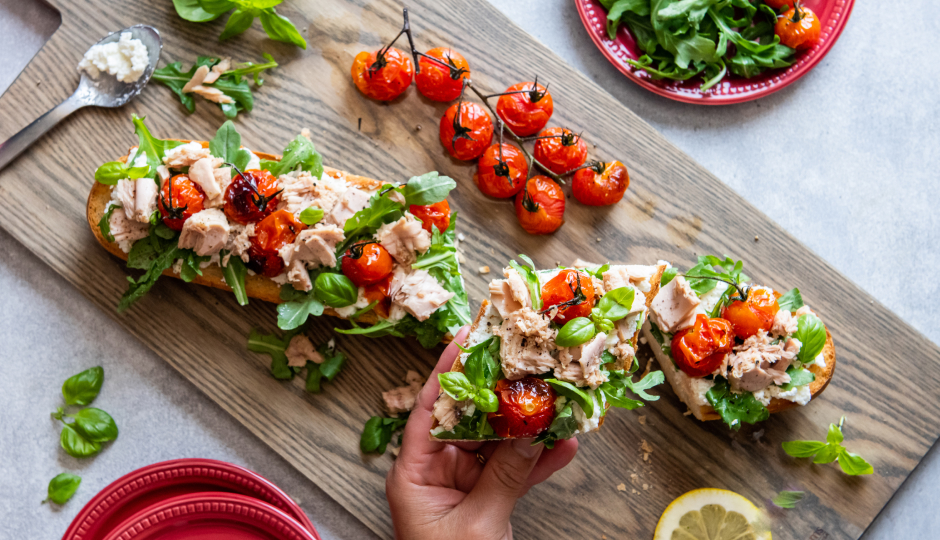
- Simple Bruschetta: Top a piece of toasted, garlic-rubbed bread with large flakes of solid tuna in oil, roasted cherry tomatoes, and a basil leaf for a quick, elegant appetizer.
How do I choose the best tuna in oil?
When you’re at the store, not all cans are created equal. Looking for a few key quality signals on the label can help you select the best-tasting and most nutritious option.
What type of tuna should I look for?
As shown in the table above, different species, such as albacore or yellowfin tuna, have a unique taste and texture. Albacore (or “Solid White”) has a light, mild flavor and meaty texture, while Yellowfin and Skipjack (or “Chunk Light”) have a bolder flavor and softer, flakier texture.
What kind of oil is best?
The oil quality is key to both flavor and nutrition. For the best taste, look for tuna packed in extra virgin olive oil. Cheaper vegetable or soybean oils can be greasy and overwhelm the tuna’s natural taste.
What does “responsible sourcing” mean?
This indicates sustainable fishing practices. Look for certifications like the “Dolphin Safe” logo or specific brand commitments, such as Genova’s “Sea Change” logo, which indicates responsible sourcing.
What else should I check on the label?
Review the label for a few key things:
- Nutritional Information: Check for high protein content and the presence of omega-3 fatty acids.
- Ingredients: High-quality tuna should have minimal, natural ingredients (like tuna, olive oil, and salt) without unnecessary additives or preservatives.
- Packaging: Choose cans or jars that are securely sealed. Avoid any containers that are bulging or dented.
- Best if Used By Date: Check the date to ensure you’re getting the product at its peak quality.
Does brand matter?
Yes, reputable brands are known for their quality seafood products and sourcing practices. Choosing a trusted brand like Genova ensures you are getting high-quality, solid-filet tuna packed in pure olive oil, which provides a superior taste and texture.
What other questions do people ask about tuna in oil?
Here are direct answers to a few more common questions you might have.
Is tuna in oil good for you?
Yes, tuna in oil can be a healthy part of a balanced diet. It provides significant protein and heart-healthy omega-3 fatty acids. Because the oil adds calories and fat, it’s best to enjoy it in moderation.
What’s better, tuna in water or oil?
Neither is universally “better”—it depends entirely on your personal health goals and taste preferences. Tuna in water is lower in calories and fat, making it a good choice for those watching their intake. Tuna in oil offers a richer, more decadent flavor and moister texture, but with a higher calorie and fat content. Whether you’re going with chunk light vs albacore, you may prefer tuna in oil for dishes where a richer flavor is desired, and tuna in water for a lighter option or when the tuna’s natural taste needs to shine through without added richness.