Albacore vs Yellowfin: Which is Better?
The main difference between albacore and yellowfin tuna comes down to taste, texture, and nutritional profile.
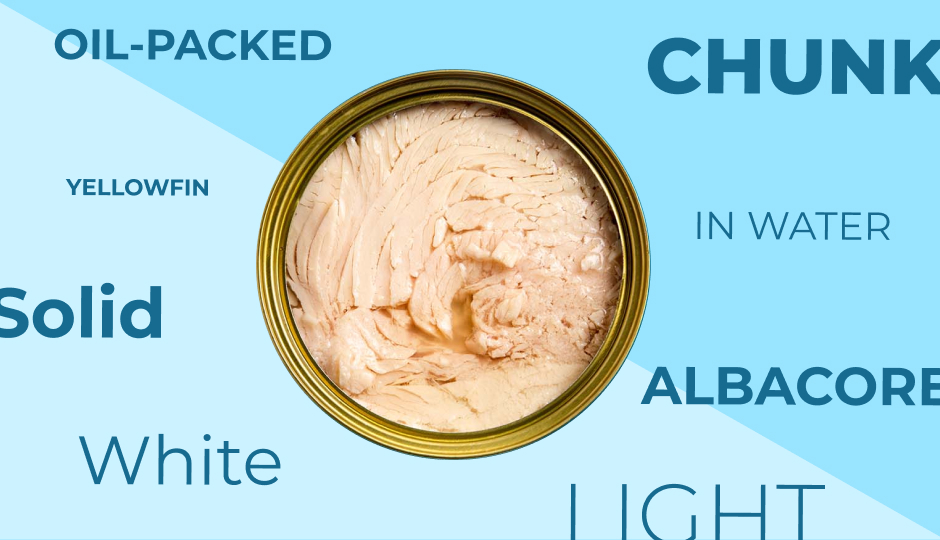
In short, Albacore is the only tuna that can be labeled “solid white”. It has a milder flavor, a firmer, meatier texture, and higher levels of heart-healthy omega-3s. Yellowfin is a type of “light tuna”. It has a richer, more pronounced flavor, and a softer, flakier texture.
Choosing the right one depends on your recipe and your taste preference.
What’s the main difference in taste and texture?
The tuna you choose will be the star of your dish, so picking the right flavor and texture profile is key. Whether you want a mild, meaty base or a rich, flavorful accent will determine which can you should reach for.
What does albacore (white) tuna taste like?
- Flavor: Albacore is known for its mild, delicate flavor. It’s the least “fishy” of the canned tuna varieties, making it a favorite for those who prefer a lighter taste.
- Texture: This is albacore’s key trait. It has a firm, meaty, and flaky texture that’s often compared to a cooked chicken breast. Because its meat is lighter than other tuna, it’s known as “solid white tuna”.
- Best For: Its. Known for mild flavor and tender texture, canned albacore shines in dishes where its firm texture and mild flavor make it perfect for dishes where the tuna itself is the main component, like a classic tuna salad, a tuna melt, or a pasta salad.
What does yellowfin (light) tuna taste like?
- Flavor: Yellowfin has a more robust, rich, and savory flavor than albacore. While it’s canned as “light tuna,” it doesn’t have the very strong taste of other light tunas, like skipjack.
- Texture: The meat is slightly darker and is softer and more tender than albacore. Its meaty texture provides a substantial, satisfying mouthfeel.
- Best For: Its robust flavor shines in dishes where you want a stronger tuna taste. It’s ideal for tuna sandwiches, pasta sauces, sushi, and sashimi.
Here’s a side-by-side comparison of the key points:
| Albacore Tuna (“White”) | Yellowfin Tuna (“Light”) | |
|---|---|---|
| Taste | Mild, delicate, less “fishy” | Rich, robust, more savory |
| Texture | Firm, meaty, and flaky | Softer, tender, and moist |
| Color | White or light pink | Light tan or pinkish-red |
| Also Known As | “Solid White Tuna,” Longfin | “Light Tuna,” Ahi |
| Best For | Tuna salads, lettuce wraps, grilling | Sandwiches, pasta sauces, sushi |
| Cost | Albacore and yellowfin canned tuna are typically priced about the same. | |
Which is healthier: albacore or yellowfin?
Both albacore and yellowfin are fantastic, convenient sources of lean protein and essential nutrients. They are both heart-healthy choices, but they have key nutritional differences.
What are the nutritional differences?
The primary nutritional difference relates to their fat content.
- Omega-3s: Albacore tuna generally contains more omega-3 fatty acids (EPA and DHA) than yellowfin. This is because albacore is a slightly fattier fish.
- Protein & Calories: Yellowfin tuna is typically leaner, with fewer calories and less fat per serving. Both are excellent sources of protein, but yellowfin is often slightly higher in protein content.
What do the labels on canned tuna mean?
The tuna aisle can be overwhelming. Understanding the terms on the label ensures you get the quality and taste you’re looking for.
What’s the difference between ‘solid’ and ‘chunk’ tuna?
This describes the cut of the fish in the can, not the species.
- Solid: This means the can is filled with large, firm filets of tuna. This is considered a premium pack, offering a meaty, substantial texture. Genova tuna, for example, is packed as solid filets.
- Chunk: This means the can contains smaller, flakier pieces of tuna. This style is often used for tuna salads or casseroles where the fish will be mixed anyway.
Should I choose tuna packed in oil or water?
This is a matter of personal preference for taste and nutrition.
- Packed in Oil: Tuna packed in oil (especially high-quality olive oil) will be richer in flavor and have a moister, more tender texture. The oil helps preserve the tuna’s flavor. While this adds calories and fat, many connoisseurs prefer it. Genova tuna, for instance, is packed in high-quality olive oil to deliver a smooth, delicious taste.
- Packed in Water: Tuna packed in water is lower in calories and fat, making it a popular choice for health-conscious consumers. The flavor is milder, and the texture is not as moist, so it’s often drained and mixed with other ingredients.
What about fresh tuna, like Ahi?
While albacore and yellowfin are both popular canned options, you’ll also see them sold as fresh steaks.
Is Ahi tuna albacore or yellowfin?
“Ahi” is the Hawaiian name that typically refers to Yellowfin tuna (or the closely related Bigeye tuna).
You will almost always find Ahi sold as thick, fresh-cut, sushi-grade steaks at the fish counter. Its robust flavor and firm-yet-tender texture make it the top choice for searing (like in a seared Ahi salad) or for eating raw in sushi and sashimi.
How are albacore and yellowfin different in the wild?
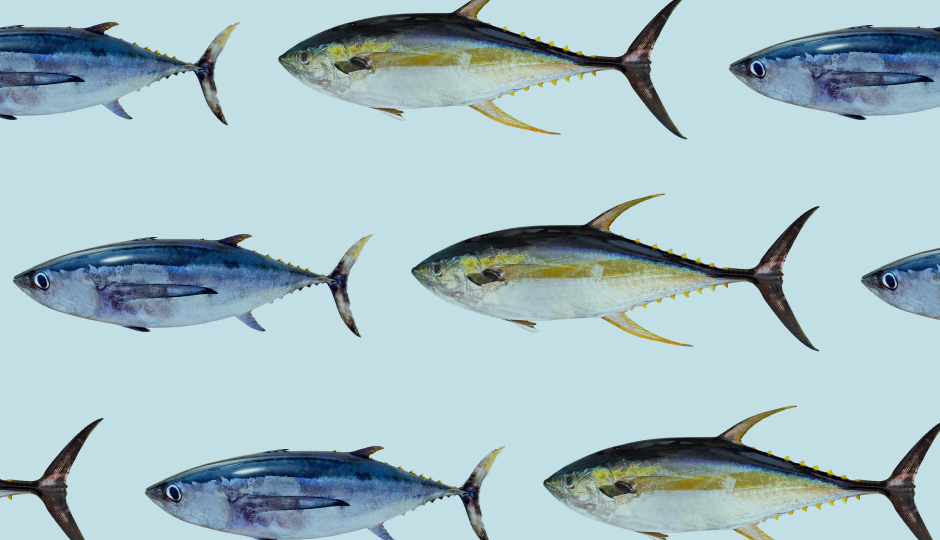
Albacore and yellowfin are two popular varieties out of many types of tuna, each with its unique characteristics. In the water, these two fish look very different. Their names and nicknames give you the biggest clues as to their appearance.
What does an albacore tuna look like?
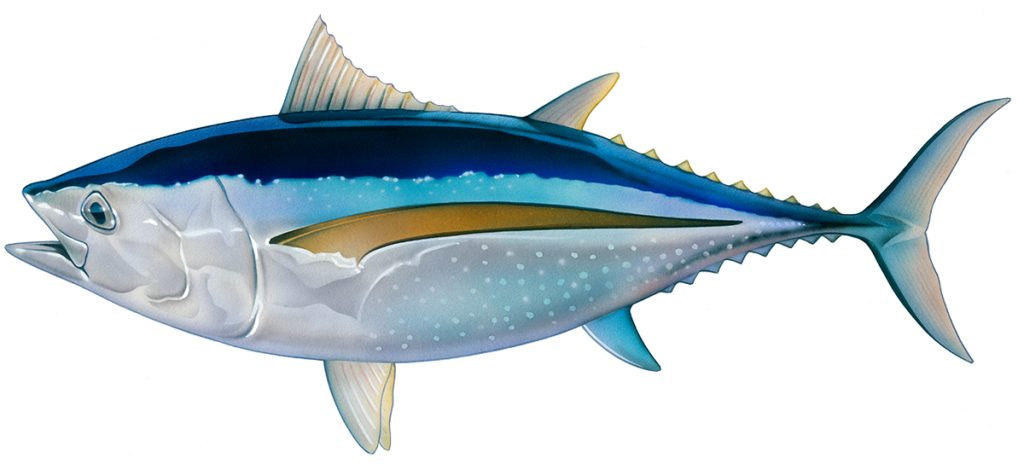
Albacore tuna have a sleek, streamlined body with a dark blue upper side and a silvery-white lower side. Their most defining feature is their distinctively long pectoral fin, which is why they are often called “Longfin” tuna. They also have larger eyes than yellowfin. North Atlantic Albacore can grow up to 4 feet long and weigh 88 pounds.
What does a yellowfin tuna look like?
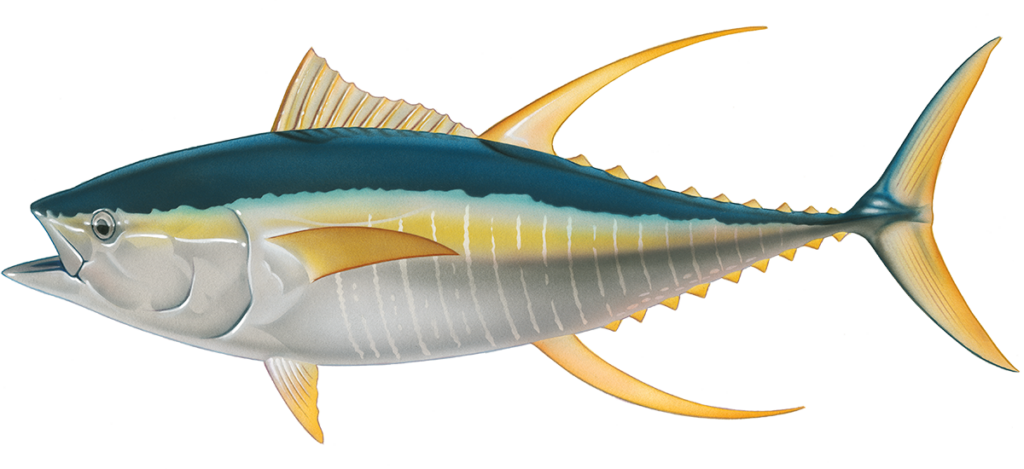
Yellowfin tuna, also referred to as ahi tuna, are easily identified by their namesake: a long, curved, and bright yellow second dorsal fin. They are one of the largest tuna species, capable of reaching 6-7 feet in length and weighing up to 400 pounds.
The table below compares the two species even deeper:
| Albacore | Yellowfin | |
| Habitat | Albacore tuna are a highly migratory species that inhabit the open waters of the Pacific, Atlantic, and Indian Oceans. While they are generally found in tropical and warm temperate zones, water temperature plays a critical role in determining their specific location. Habitat depth varies significantly by life stage: juveniles are typically found near oceanic fronts, while adults occupy depths of at least 1,250 feet, diving deeper when searching for prey. | Yellowfin tuna inhabit the surface waters of tropical and subtropical oceans worldwide. These highly migratory fish are capable of traversing entire oceans. As juveniles, they frequently travel in mixed schools alongside skipjack and young bigeye tuna. |
| Responsible Sourcing | Both albacore and yellowfin can be responsibly sourced, depending on fishing practices and locations. Look for eco-friendly labels or choose tuna with certification from organizations promoting sustainable seafood. | |
Which tuna is the best choice for me?
In the albacore vs. yellowfin debate, there is no single right answer. Both types of tuna offer fantastic flavor and nutritional benefits. The perfect choice is the one that best fits your recipe and health needs.
- Choose Albacore (White Tuna) if:
- You want a mild, delicate flavor that’s not “fishy”.
- You need a firm, meaty texture for a premium salad or grilled steak.
- You are looking to maximize your intake of omega-3 fatty acids.
- Choose Yellowfin (Light Tuna) if:
- You want a richer, more robust tuna flavor.
- You are making seared Ahi steaks, sushi, or sashimi.
- You are looking for a leaner, lower-calorie protein source.